
Photo by: Werner Redlich – Pexels
Our portions are out of control, but that wasn’t always the case. In the 1960’s, the diameter of the dinner plate was around 8.5” to nine inches. Currently it has grown to twelve inches. Apparently, plate size and other characteristics do matter when it comes to eating meals and there is scientific data to back it up.
According to the NIH, portions began increasing in the 1970’s. This was due to marketing, convenience foods, and overall prosperity during that time. Americans have made food a focal point and have adopted a “live to eat,” mentality instead of a healthy “eat to live.”
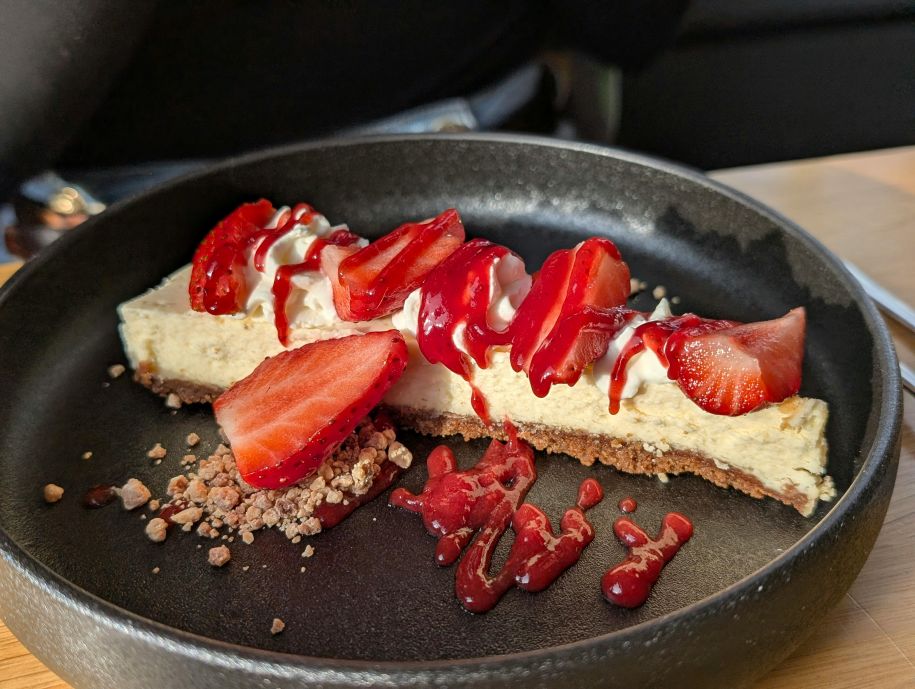
The color of the plate matters too. People eat more food if there’s less contrast. White is better because you can see the food better. This allows you to gauge how much you’re eating. The food also appears fresher. Darker colored plates affect the portion perception and the overall eating experience. They have lower contrast with food and increase indulgent eating. Black or dark gray are often associated with luxury desserts, restaurant dining, or rich foods.
Restaurants began using larger plates because of food presentation and the trend of creative plating. There has been a rise in oversized meals in dining culture. This appeals to many individuals but may be contributing to weight gain and obesity-related illnesses.
People love “a good deal,” so they believe they’re stretching their dollar when they see generous portions offered. Competition has driven restaurants to lure customers with more plentiful helpings. When I’m served a huge portion, I usually take half of it home with me. When I get my food, I immediately ask for a to-go box and pack it up. This keeps me from over-indulging.
Herb McDonald invented the all-you-can-eat buffet (24-hour Buckaroo Buffet) in 1946. This dining strategy was intended for casinos, so guests had food readily available day and night. It kept them close to the casino so they wouldn’t have to leave to go eat. This ensured that gamblers would continue to spend money.
If you look back at black and white photos, especially beach photos, people are noticeably thinner. Food is a focal point today in many people’s lives and you can find it on every corner. Fast food is easily accessible and has added to the obesity epidemic due to its high calorie content and low-quality ingredients. Here are a few tips to aid in eating less:
Use a smaller plate
Fill ½ of the plate with vegetables
Drink water
Smaller portions
Eat slowly
Eat sitting down at a table
Put utensils down in between bites
Chew your food well
Only eat when hungry
Give your body time to recognize fullness (20 minutes)
Increase protein and fiber
Avoid screens while eating (it promotes “mindless eating”)
Weigh your food or use portion control plates
The health and wellness impact of plate size is linked to overeating and weight gain. Mindful eating and portion awareness are important for overall health. Plate size can strongly influence how much people serve themselves and eat, even when they’re not especially hungry.
Plate size is only one factor when it comes to eating behavior. Hunger levels, habits, food type, and awareness of nutrition also play a major role. If you’re struggling with portion control you may want to educate yourself on the various aspects and journal your progress. There are many layers of food behavior.
Years ago, I used to overeat at every meal. I would always go back for seconds and never turn down dessert even if I was full. I remember feeling bloated and felt so uncomfortable all the time. I’ve gotten much better at portion control over the last three years, but it took me some time to train myself. I like to bake and dine in nice restaurants, so I do treat myself occasionally.
Monitoring your calorie intake isn’t just about how much you weigh or what pant size you wear. You’ll notice that spending less money on groceries is also rather liberating! Downsizing your dinnerware is about proactively changing your mindset. This visual will aid you in making better decisions and support long-term healthy habits. Food is meant to fuel your body in a healthy way. Good luck!
Sign up for my free monthly newsletter at the bottom of my blog or reach out to Kim anytime at nourishandflex@gmail.com